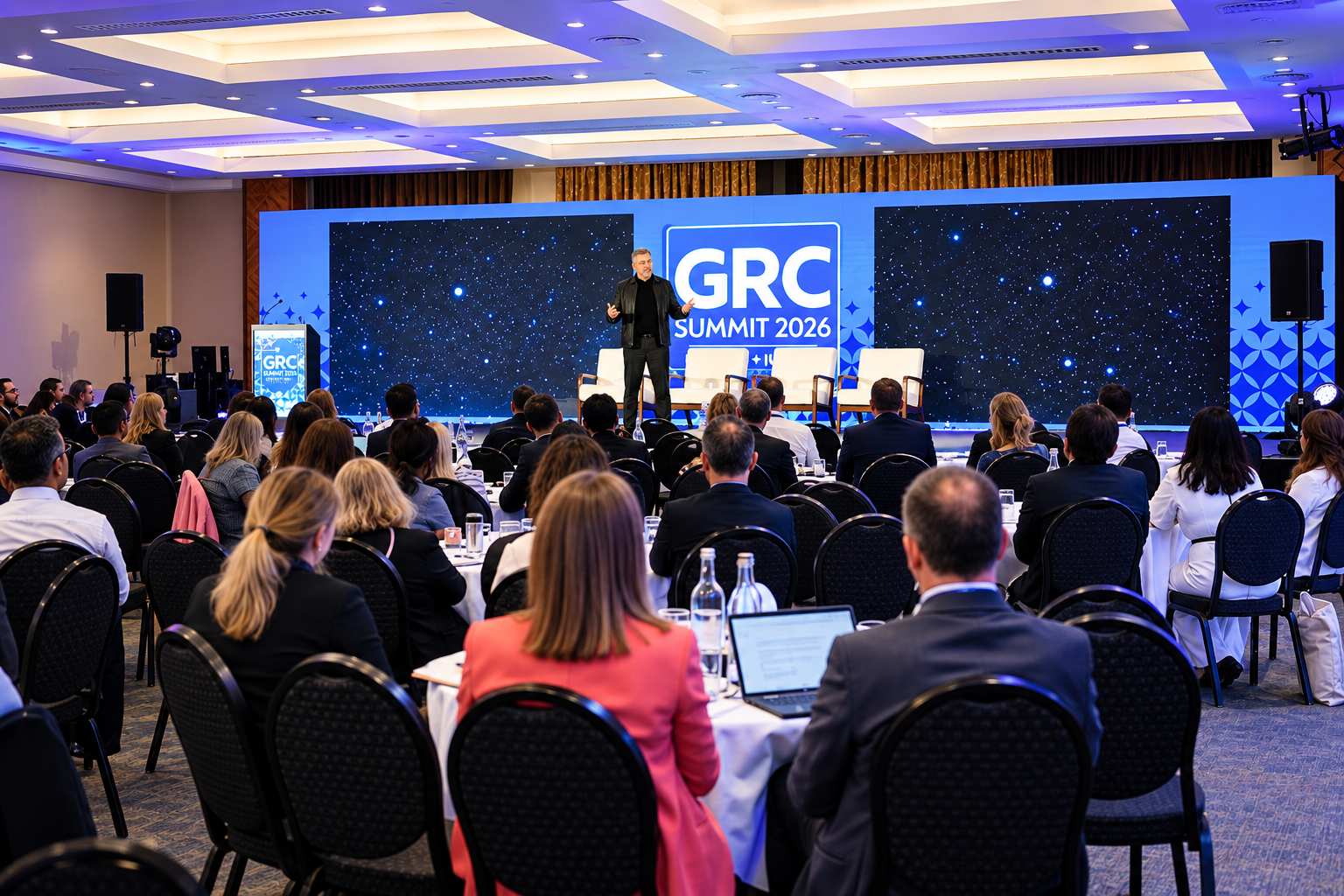
Dry hire generally supplies LED equipment for your own technical team to manage, while wet hire adds supplier-side technicians for setup, configuration, operation or support. The exact scope varies between suppliers. For any LED video wall rental, compare who handles installation, processing, playback, troubleshooting and pack-down rather than relying only on the terms “dry hire” or “wet hire”.
The LED wall itself may be identical. What changes is who is responsible for installing, configuring, testing and operating it before the event begins.
That is the key decision behind dry hire vs wet hire for an LED video wall rental. A production company with experienced LED technicians may only need the LED panels, processors and supporting equipment. A corporate team planning a conference, awards ceremony or product launch may need the supplier to manage installation, processing and event-day support.
The terms are useful, but they are not universal service packages. One supplier may include delivery or installation in a dry hire quote, while another may treat those as separate services. Wet hire may include a technician for setup only, or it may extend to rehearsals and the full show.
This guide compares the two models by technical responsibility, cost, event complexity and support so you can choose the right level of service before approving a quote.
What Does Dry Hire Mean for an LED Video Wall?
Dry hire generally means hiring the LED equipment while your own technical team manages most of the installation, configuration or operation. The exact division of work still depends on the supplier agreement.
A dry hire package may include LED panels, video processors, signal cabling, power distribution equipment and mounting hardware. Your team may then handle screen mapping, playback, signal routing, testing and fault diagnosis.
Dry hire works best when the people receiving the equipment understand the system. General AV knowledge does not automatically mean LED experience.
- Which Production Teams Commonly Use Dry Hire?
Dry hire is commonly suited to production companies, experienced event agencies, touring teams and venues with established AV departments.
An exhibition production company may already have a vision engineer, a media server operator, and an LED technician. In that case, additional equipment may be more useful than another crew.
What Does Wet Hire Mean for an LED Video Wall?
Wet hire generally combines the LED equipment with technical personnel from the supplier. Depending on the agreed package, that support can cover delivery, installation, configuration, testing, operation, troubleshooting and dismantling.
Some rental companies, like LED Video Wall Hire, provide delivery, setup, testing, on-site technical support and collection as part of their technically supported hire service.
Does Wet Hire Always Include an Operator for the Entire Event?
No. Technician coverage should always be confirmed in writing.
One quote may cover only installation and testing. Another may include rehearsals, live show operation, and post-event dismantling. Ask when the technician arrives, what they handle and when their booked hours end.
Dry Hire vs Wet Hire: At a Glance
| Feature | Dry Hire | Wet Hire |
| LED equipment | Yes | Yes |
| Technician included | Usually no | Usually yes, depending on package |
| Installation | Often client/production team | Commonly supplier/team |
| Operation | Client/production team | Technician/team where included |
| Pack-down | Often client/production team | Commonly supplier/team |
| Technical support onsite | Usually limited or separate | Usually included where contracted |
| Cost | Lower supplier labour in many cases | Higher due to technical labour/support |
| Best for | Experienced AV teams | Managed events and complex productions |
| Level of client responsibility | Higher | Lower where supplier support is included |
The important difference is responsibility. Wet hire generally transfers more technical work to the supplier; dry hire assumes your team can manage it.
Which Option Is Best for Your LED Video Wall Rental?
Choose the hire model based on your team’s LED experience, the system requirements and the technical complexity of the production. Cost matters, but it should not be considered separately from installation, operation, and event-day fault response.
Choose Dry Hire If:
- You have a professional technical team
If your company or production partner already has LED technicians, dry hire can provide access to professional equipment without the cost of another crew.
- Your Production Uses a Standard LED Configuration
A standard LED backdrop with known video sources, a defined screen configuration and a pre-agreed playback workflow may be suitable for an experienced production team.
- You Already Have the Required Technical Crew
Dry hire can reduce additional supplier labour costs when your production already has qualified LED technicians, playback equipment and the resources required for installation and operation.
Choose Wet Hire If:
- Your Team Does Not Have Specialist LED Expertise
LED video walls require specialist system configuration beyond basic AV connectivity. Processor setup, signal routing, power distribution, panel assembly and fault diagnosis must all be managed correctly.
- The Event Has Low Tolerance for Technical Failure
For product launches, conferences, awards ceremonies and major live productions, supplier-side technical support can reduce response time if a signal, processor or panel issue occurs during the event.
- The Production Uses Multiple Video Sources or Live Feeds
If the LED wall receives live cameras, presentation feeds, media servers or multiple switched sources, specialist operators can manage signal routing, processing and screen output as part of the wider video workflow.
- You Need Supplier-Side Technical Management
If your internal team is not responsible for LED installation, processor configuration, testing or live fault response, a technically supported hire places those responsibilities with the agreed supplier-side technical team.
Is Dry Hire Cheaper Than Wet Hire?
Dry hire can cost less at the quotation stage because fewer supplier technician hours are included, but it is not always cheaper once the full production is calculated.
A useful way to compare both models is:
Total LED Hire Cost = LED Equipment + Transport + Mounting/Rigging + Installation + Technical Labour + Show Support + Dismantling + Collection
Screen dimensions, pixel pitch, mounting method, venue access, rehearsal time, crew hours and event duration can affect price.
If dry hire still requires freelance technicians or extra setup time, the final cost difference may become much smaller.
Who Is Responsible If Something Goes Wrong?
Responsibility depends on the written hire agreement. Before the event, establish where the equipment supplier’s responsibility ends and where your production team’s responsibility begins.
An LED wall fault may originate from the source device, playback system, signal path, processor, cabling, power distribution, individual panels or operator configuration. Different faults may sit with different parties.
Temporary event power also requires proper planning. HSE electrical safety guidance for events states that organisers, contractors and others using electrical equipment must take reasonably practicable steps to ensure event electrical installations and equipment are properly selected, installed and maintained. Power requirements, cable routing, and access control are also identified as planning considerations.
Define technical responsibility before load-in so the response process is clear if a fault occurs during setup or live operation.
What Should You Confirm Before Booking Dry or Wet Hire?
The clearest way to compare LED wall hire quotes is to identify exactly which equipment, labour and technical responsibilities are included in each one.
- What LED panels and processors are included?
- What are the finished screen dimensions?
- Who manages transport, venue delivery, unloading and equipment movement to the installation area?
- Is ground support, mounting or trussing included, and who is responsible for the supporting system?
- Who installs and configures the wall?
- Who manages content playback, video processing, switching and signal routing?
- Is rehearsal support included?
- Will a technician remain during the live event?
- What technician hours are included?
- What happens if the event overruns?
- Who handles faults during the show?
- Are spare LED modules, panels, receiving cards, power supplies or other critical components available if a fault occurs?
- Who dismantles and packs the screen?
- Is collection included?
- Have venue power and access requirements been confirmed?
For a large LED system, confirm the electrical plan early. Our latest guide to LED video wall power requirements explains how panel load, processors, distribution equipment, cable routes and venue supply affect event planning.
Need help defining the technical scope? Call LED Video Wall Hire on 0207 177 4075 to discuss the screen, venue, content workflow and technical support required for your event.
Can Dry and Wet Hire Be Combined?
Yes. A hybrid arrangement can work when specialist LED installation is required but your production team already has experienced operators for playback and live show control.
For example, a supplier could install, configure and test the wall before handing it over to the client’s vision operator. Another production might require an LED technician during installation and rehearsal but not throughout every event hour.
The scope matters more than the label. Define installation, system handover, processor control, show operation, fault response and dismantling separately in the quotation.
This can be particularly useful where an experienced production team wants control of playback and switching but prefers the LED supplier to handle the physical wall and processor setup.
What Are the Most Common Mistakes When Choosing Dry or Wet Hire?
The biggest mistake is choosing a hire model based on price alone. The lower equipment figure may not include the labour or support you still need.
- Choosing Dry Hire Only Because It Costs Less
If you later need freelance technicians, additional crew hours, or a longer setup window, the initial saving may be reduced.
- Assuming Setup Means Event-Day Support
Installation and live operation are separate responsibilities. Confirm whether the technician leaves after testing or stays for rehearsals and the show.
- Using a Technician Without LED Experience
An experienced audio or general AV technician may still lack regular experience with LED processors, screen mapping, receiving-card faults, module replacement and the specific control hardware supplied with the wall.
- Leaving Content Testing Too Late
Final content should be tested through the actual playback, switching and LED processing chain before the event begins. A powered and functioning wall does not confirm that every source, resolution, frame rate or playback format has been configured correctly.
- Ignoring Venue Logistics
London venues may impose fixed loading slots, service-lift restrictions, vehicle access rules and limited installation windows. Confirm these requirements before scheduling transport, crew calls and LED build times.
Does Hiring an LED Wall in London Change the Decision?
The LED technology does not change in London, but venue access and production logistics can significantly affect how the system should be supplied and supported.
A restricted load-in window leaves less time to resolve missing equipment, signal issues or unexpected processor configuration problems before rehearsals begin. Central London events may also require coordination between the LED supplier, venue team, production company, stand builder and other AV contractors.
If your own technicians already understand the supplied system, dry hire can still work effectively. If you have a short build period and no specialist LED team, supplier-side installation and technical support can reduce the amount of coordination your event team must manage.
LED Video Wall Hire operates from Unit 2, 221 New Kent Rd, London SE1 4AG and serves events across London and the UK.
What Happens After You Enquire?
A useful LED hire enquiry should turn the event brief into a clear technical scope.
Start with:
- Event date and venue.
- Required screen dimensions.
- Audience size, viewing distance, sightlines and stage layout.
- Indoor or outdoor use.
- Content and playback requirements.
- Existing AV crew, LED technicians and production responsibilities.
- Installation window.
- Rehearsal and show times.
From there, the supplier can define panel configuration, processing requirements, mounting method, transport, installation, testing, technician coverage and collection.
This is also the stage to identify live camera feeds, unusual screen configurations, vision switching, venue restrictions or other production requirements that could change the scope.
Match the Hire Scope to Your Production Requirements
Dry hire can work effectively when an experienced production team already has the personnel and technical resources required to manage the LED system. A technically supported rental is more appropriate when supplier involvement is required for installation, processor configuration, testing, live operation or fault response.
The decision depends on technical competence, screen complexity, venue logistics and content workflow. Do not remove specialist support simply to reduce the first quotation.
LED Video Wall Hire is based at Unit 2, 221 New Kent Rd, London SE1 4AG and supports events across London and the UK. We have 10+ years of LED experience, 25+ years in AV, and are members of MIA and Prestigious Venues.
If your event needs a technically supported LED wall rather than an equipment-only handover, call 0207 177 4075 or request a quote with your venue, event date, screen requirement, and production details.
FAQs
What Is the Difference Between Dry Hire and Wet Hire?
Dry hire generally gives your team the equipment to manage, while wet hire adds supplier-side technical personnel. The exact scope varies. Always confirm who handles delivery, installation, configuration, operation, troubleshooting, dismantling and collection before comparing quotes.
Is Dry Hire Cheaper Than Wet Hire?
It can be because fewer supplier labour hours may be included. However, the total can change if you need technicians separately or require more setup time, transport or technical equipment. Compare the complete production cost rather than only the equipment price.
Does Wet Hire Include Installation?
It commonly does, but not every supplier defines wet hire in exactly the same way. Ask whether installation, processor configuration, testing, rehearsal support, live operation, dismantling and collection are included in the quoted price.
Do I Need an LED Technician for My Event?
You need suitable LED expertise if your team will be responsible for the system. Live feeds, multiple video sources, complex playback, large walls and tight production schedules make specialist support more important. An experienced internal LED crew may already be able to manage these requirements.
Is Dry Hire Available for LED Video Walls in London?
Dry hire is available within the UK AV industry, particularly for production companies with experienced LED teams. However, service models differ between suppliers. Confirm whether the provider offers equipment-only hire or technically supported LED wall rental before requesting a quote.
Can the Supplier Install the LED Wall and Let Our Team Operate It?
Yes, if the supplier offers that scope. This hybrid approach can work when your team can operate the completed system but needs specialist support for the build, processor setup and testing. Make the handover point and post-handover support clear in the quotation.
What Should an LED Video Wall Hire Quote Include?
It should define screen dimensions, panels, processor, mounting system, transport, installation, technician hours, playback responsibilities, testing, show support and collection. It should also identify venue access, power and rigging or support requirements where relevant.
How Far in Advance Should I Book an LED Video Wall?
There is no single booking period that applies to every event. Larger walls, specialist layouts, busy dates and restrictive venue schedules benefit from earlier planning because equipment, technical crew, access and installation requirements need to be coordinated.
